
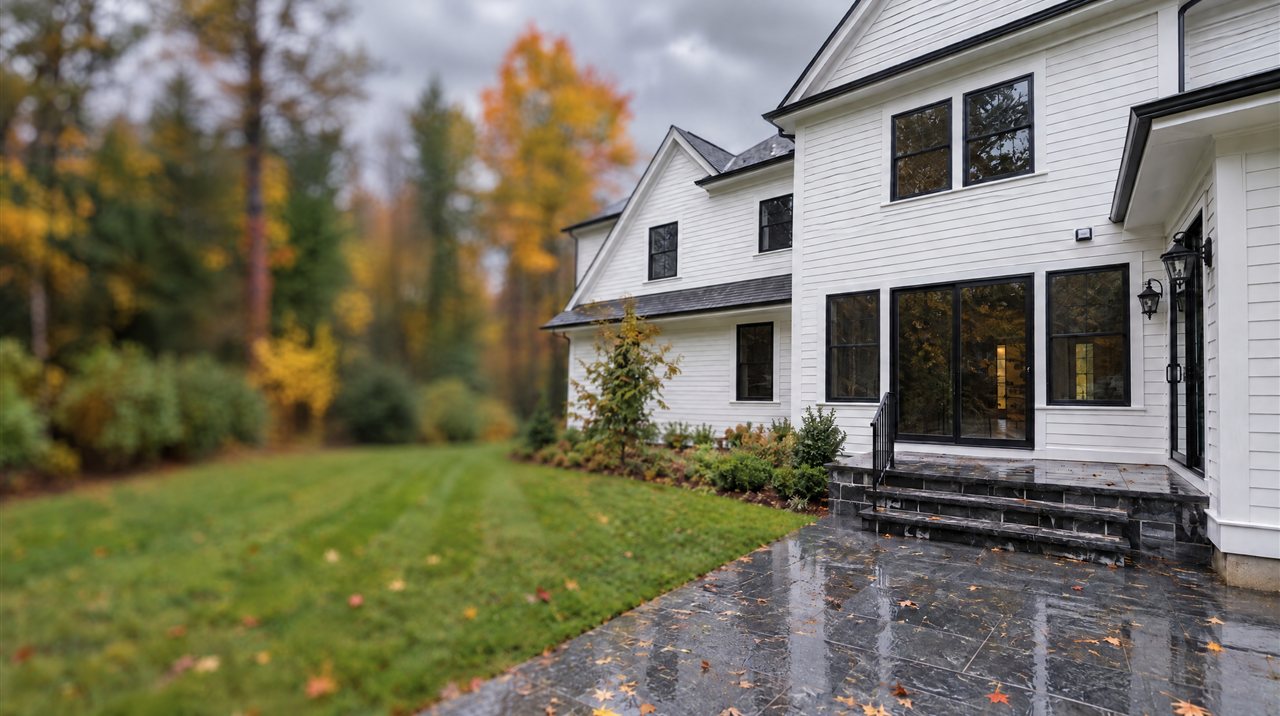
The short answer is any month of the year. Around Seattle and the Eastside, siding goes up in January the same way it goes up in July. Summer is popular, but it is not required, and for a lot of homeowners it is not even the best choice.
We hear the same thing every fall: “We will deal with the siding next summer.” Sometimes that makes sense. Often it just means a failing wall gets one more wet season to do damage. Here is how to actually decide when to schedule.
Why people assume summer is the only option
The idea comes from places with real winters, where snow and deep freezes shut down exterior work for months. It also comes from painting, which does need warm, dry days. Put those together and it feels natural to think of siding as a summer project.
Western Washington is different. Our winters are wet but mild, with daytime highs usually in the 40s and only a few days a year cold or icy enough to stop work. Rain slows a siding job down a little. It does not stop it. We explain exactly how a crew handles it in Can You Install Siding During the Rainy Season in Seattle?
The case for installing in fall and winter
Shorter waits. Summer books up fast. Most homeowners start calling contractors in spring, so a summer slot often means signing months in advance and hoping the schedule holds. In the cooler months, the wait from signed contract to start date is usually much shorter.
More attention on your job. In peak season every crew in the region is stretched. In winter, your project is not competing with ten others for the same foreman and the same delivery truck.
You stop the damage sooner. If your siding is letting water in, every rainy month adds to the repair. Soft sheathing spreads, rot moves into framing, and a repair that would have been a few sheets of plywood in October becomes studs and a window rebuild by June. Waiting is not free. It usually costs more than the season you saved.
Leaks are easier to find. When we open a wall in November and water is actively coming in, we can see exactly which flashing failed and fix that spot. In August, a wall is dry and the evidence is just stains.
It is ready before the next winter storm. Replacing siding before a wet season instead of after means the house goes into the worst weather with a sound, flashed, sealed wall.
The case for waiting
There are good reasons to schedule for warmer weather, and we will tell you if one applies to you.
- You want field painted siding on a tight timeline. If the siding needs to be painted on site and you want it finished all at once, dry summer weeks make that easiest. Factory finished products take most of this off the table.
- Natural cedar. Cedar is the most moisture sensitive option and benefits from dry weather and a quick finish. It can be done in winter, but it takes the most planning.
- The siding is ugly, not failing. If your walls are sound and you are replacing purely for looks, there is no urgency. Pick the time that suits your life.
- You are bundling it with other summer work. Roofing, a deck, or an addition sometimes makes sense to schedule together.
What winter changes, honestly
A winter job is still a normal job, with a few differences you should know about going in.
The calendar stretches a bit. Short days and the occasional washed out afternoon mean a project that takes eight working days in July may take ten or twelve calendar days in January. We plan for that up front.
Caulk and paint wait for the right conditions. Sealants and paint have minimum temperatures and need a dry surface. Primed products like LP SmartSide have a window set by the manufacturer for finish paint, so if a stretch of weather will not cooperate, we can install now and paint on a dry week later without hurting the warranty.
The crew works in smaller sections. Walls are opened one at a time and wrapped the same day, so nothing sits exposed overnight.
A simple way to decide
Walk around the house and ask one question: is this siding failing, or just tired?
If you see soft boards, stains running down from window corners, gaps at trim, or any sign of moisture inside, do not wait for summer. That wall is taking on water now, and the rainy season is when it does the most damage. Our guide to knowing when siding needs to be replaced walks through what to look for.
If the siding is sound but faded or dated, you have the luxury of choosing. Winter will still get you a shorter wait and an easier schedule. Summer will get you a faster install and field painting in one pass. Either one is a fine choice.
The bottom line
You do not have to put off a siding replacement until summer. In the Seattle area, the best time to replace siding is usually as soon as you know it needs replacing. If you are not sure which camp your house is in, book a free walkthrough. We will tell you plainly whether it can wait, and if it cannot, we will show you what a winter schedule looks like.